• HomeTutior
  • AEGISPlatform
  • How it worksPlatform
  • DeploymentPlatform
  • CollectionPlatform
  • DetectionPlatform
  • AI analystPlatform
  • Triage and incidentsPlatform
  • Case managementPlatform
  • ResponsePlatform
  • Threat intelligencePlatform
  • ReportingPlatform
  • Audit recordPlatform
  • Access controlPlatform
  • Data handlingPlatform
  • How it is builtPlatform
  • The consolePlatform
  • Product tourPlatform
  • IntegrationsPlatform
  • SecurityPlatform
  • Too many alertsSolutions
  • Too few analystsSolutions
  • Data that must staySolutions
  • Evidence for an auditSolutions
  • RansomwareSolutions
  • Account takeoverSolutions
  • TelecomSolutions
  • BankingSolutions
  • GovernmentSolutions
  • TestingServices
  • OperationsServices
  • CompareResources
  • Against a traditional SIEMResources
  • Against a cloud SOC platformResources
  • Against separate toolsResources
  • Why self-hostedResources
  • Moving from a SIEMResources
  • ExplainersResources
  • What a SIEM isResources
  • SIEM, SOAR and XDRResources
  • What OCSF isResources
  • What Sigma rules areResources
  • ATT&CK, explainedResources
  • What self-hosted meansResources
  • A buyer's checklistResources
  • CompanyCompany
  • ContactCompany
Menu

Solutions / Government

Security operations that stay inside the ministry

AEGIS installs from a signed bundle on your own server, signs people in through your directory, and puts every change on the record.
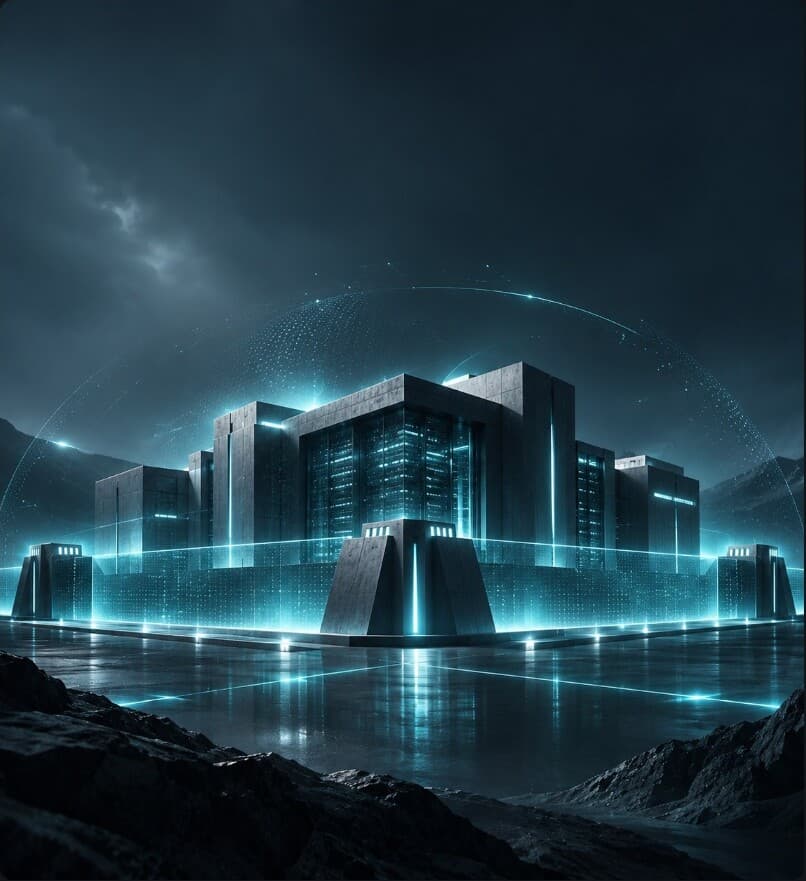
What stays in your hands

Your serverAEGIS is installed in your data centre from one signed bundle.
Your AI modelThe model that investigates your alerts ships in the same bundle and runs on the same machine. It sends nothing out.
Your networkEvents and the console come in on port 443; syslog and host collectors use their own ports once you turn them on. Backups and audit checkpoints go to a store you choose, which can sit on your private network.
Your keysBackups are encrypted with a key that is kept off the server.

Rules on where data is kept and how long

Saudi National Cybersecurity Authority, ECC-2:20242-12-3Security events are collected, monitored continuously and kept for at least twelve months.

AEGIS keeps events on your server, and you set how long they stay searchable, from days to years. Our engineers can go through each rule with your compliance team.

What a public body asks first

Installation from a signed bundle

The installer checks who signed the bundle, checks the server before it starts, and can roll back.

A baseline for privileged access

A content pack for government deployments adds a hunt for privileged accounts signing in from somewhere new.

Sign-in through your own directory

Single sign-on over OIDC or SAML, with your groups mapped to roles and any group you have not mapped refused.

Every change on the record

Each security-relevant change, by a person or by the AI analyst, goes into a hash-chained audit log, with signed checkpoints kept outside the server.

Data and model on your server

Events are stored on your server, and the AI model that investigates them ships with AEGIS and runs on your hardware.
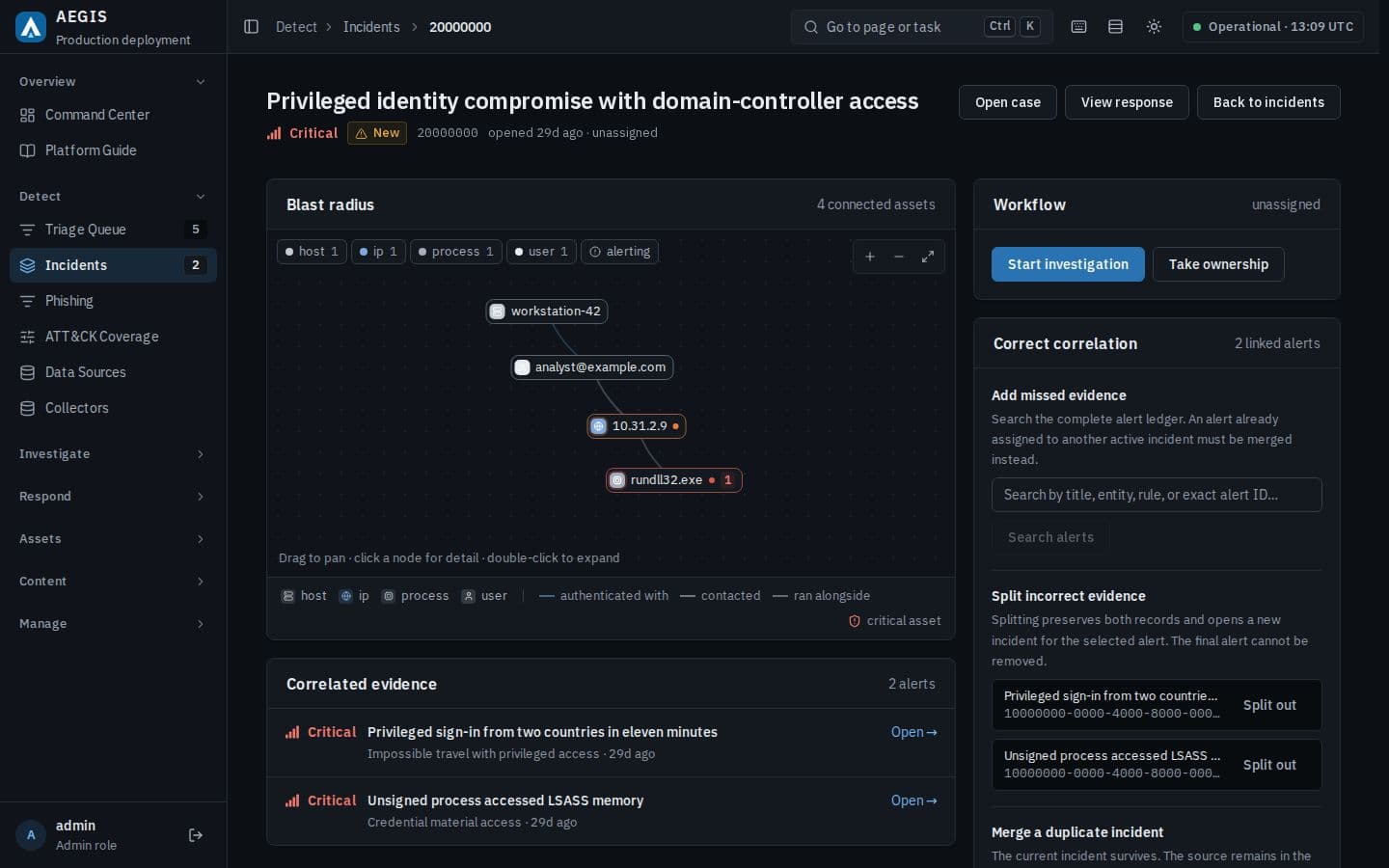
The AEGIS incident view: the hosts, accounts and addresses one attack touched, drawn as a graph.
Incident: who and what an attack touched

Tell us what you are responsible for

Start with the systems you run and the directory you use.

Talk to an engineer